
 Ruchi Verma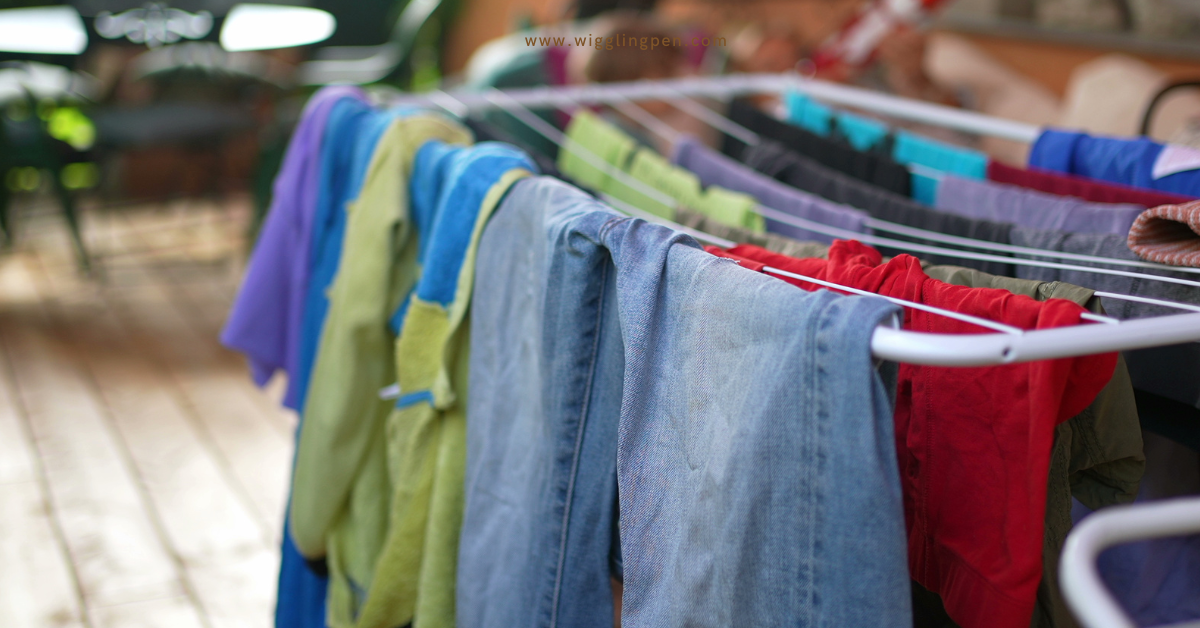
Rainy days bring relief from the scorching summer heat, but they also create one of the biggest household challenges—drying clothes. During continuous rain, the combination of high humidity, limited sunlight, and poor ventilation makes it difficult for laundry to dry properly. Clothes often remain damp for hours or even days, leaving behind an unpleasant smell and sometimes even developing mold.
If you’ve ever found yourself waiting endlessly for your favorite outfit to dry or had to rewash clothes because they smelled musty, you’re not alone. Every household faces this issue during the monsoon season.
The good news is that you don’t always need sunshine to dry clothes efficiently. By improving airflow, reducing excess moisture, and following a few smart laundry habits, you can significantly shorten drying time while keeping your clothes fresh and hygienic.
In this comprehensive guide, you’ll discover practical methods, expert laundry tips, and easy household hacks that actually work during prolonged rainy weather.
Why Clothes Take Longer to Dry During Continuous Rain
Many people believe that clothes only dry because of sunlight. While sunshine certainly helps, it isn’t the only factor responsible for drying clothes. The real process behind drying is called evaporation, where water changes into vapor and escapes into the surrounding air.
During the rainy season, this natural process slows down because the air is already filled with moisture. When humidity levels rise, the surrounding air struggles to absorb additional water from wet fabrics. As a result, clothes remain damp for much longer than usual. Several environmental factors contribute to slow drying during continuous rainfall.
High Humidity
Humidity refers to the amount of moisture already present in the air. During monsoon months, humidity levels often remain above 80%, leaving very little room for additional water to evaporate from clothes. This is why even thin garments sometimes remain damp throughout the day.
Limited Sunlight
Sunlight naturally heats fabrics and speeds up evaporation. Continuous cloudy weather removes this source of warmth, making the drying process much slower.
Poor Air Circulation
Many families keep doors and windows closed to prevent rainwater from entering the house. While this protects interiors, it also traps humid air indoors, reducing airflow around wet clothes.
Thick Fabrics Hold More Moisture
Heavy clothing such as towels, jeans, hoodies, blankets, and bedsheets absorb large amounts of water during washing. These items naturally require more time to dry than lightweight garments. Understanding these factors makes it easier to choose the right drying methods instead of simply waiting for the rain to stop.
Why Properly Drying Clothes Is So Important
Many people assume that wearing slightly damp clothes isn’t a serious issue. However, consistently storing or wearing clothes that haven’t dried completely can create several problems.
Unpleasant Musty Smell
When moisture remains trapped inside fabric for a long time, bacteria begin multiplying rapidly. These microorganisms produce the familiar stale smell that often lingers even after clothes appear dry.
Mold and Mildew Growth
Persistent dampness encourages mold spores to grow on fabrics. Besides damaging clothes, mold can also trigger allergies and respiratory discomfort.
Skin Problems
Wearing damp clothes may lead to fungal infections, itching, irritation, or rashes, especially in humid weather.
Fabric Damage
Moisture weakens fibers over time. Clothes may lose their shape, develop discoloration, or wear out much faster.
Extra Laundry Work
Bad-smelling clothes often need to be washed again, wasting water, detergent, electricity, and time. Fortunately, most of these problems can be avoided by learning a few practical drying techniques.
Tip 1: Remove as Much Water as Possible Before Hanging Clothes
One of the easiest ways to reduce drying time begins even before the clothes reach the drying rack. Many people simply remove laundry from the washing machine and hang it immediately. However, if the fabric still contains a significant amount of water, it naturally takes much longer to dry. The less water your clothes retain after washing, the less moisture needs to evaporate. This simple principle can reduce drying time by several hours, especially during continuous rain.
If you’re using a washing machine, always choose the highest spin cycle recommended for the type of fabric. Modern washing machines are designed to remove a substantial amount of water without damaging clothes. For delicate garments, use the appropriate spin setting rather than skipping it altogether.
For hand-washed clothes, gently squeeze excess water instead of aggressively twisting delicate fabrics. Another effective trick is to place wet clothes inside a large dry towel, roll it tightly, and press firmly. The towel absorbs additional moisture, leaving clothes much drier before hanging.
Follow These Simple Steps
- Select the highest safe spin cycle in your washing machine.
- Gently squeeze water from hand-washed garments.
- Roll delicate clothes inside a dry towel.
- Avoid hanging clothes while they are still dripping.
- Shake clothes before placing them on the drying rack.
Why This Works
Removing extra moisture significantly reduces the amount of evaporation needed. Since the fabric starts off drier, airflow can finish the drying process much faster.
Tip 2: Shake Every Garment Before Hanging It
This may seem like a small step, but it makes a noticeable difference. Wet clothes often stick together after washing. Wrinkles, folds, and overlapping fabric trap moisture inside the garment, making it difficult for air to circulate freely.
Giving each piece of clothing a good shake loosens the fibers, opens up folded areas, and allows more air to reach every part of the fabric. It also reduces wrinkles, meaning you’ll spend less time ironing later. Make it a habit to shake every shirt, pair of trousers, towel, and bedsheet before hanging them.
Benefits of Shaking Clothes
- Separates folded fabric layers.
- Improves airflow.
- Reduces wrinkles.
- Helps clothes maintain their shape.
- Speeds up evaporation.
Air can circulate evenly around loose fabric, allowing moisture to escape much faster than from tightly folded garments.
Have rainy-day essentials ready
Tip 3: Avoid Overcrowding the Drying Rack
When rainy weather continues for several days, laundry often begins piling up. Many families respond by hanging as many clothes as possible on one drying stand. Unfortunately, this is one of the biggest reasons clothes remain damp.
When garments touch each other, moisture becomes trapped between fabrics. Airflow decreases dramatically, slowing evaporation and increasing the chances of unpleasant odors. Instead of trying to dry everything at once, give each garment enough breathing space. Even a few inches of separation can improve drying speed considerably. If space is limited, consider drying laundry in smaller batches rather than overcrowding a single rack.
Best Practices
- Leave 2–3 inches of space between garments.
- Spread towels fully open.
- Avoid folding clothes over the drying rod.
- Use multiple drying stands if available.
- Dry heavy fabrics separately.
Airflow is just as important as warmth. Proper spacing allows moving air to reach every surface of the fabric, helping moisture evaporate evenly.
Tip 4: Choose the Right Indoor Drying Spot
Not every corner of your home is suitable for drying clothes. Many people instinctively place their drying rack in the bathroom because it’s already associated with washing. Unfortunately, bathrooms are usually among the most humid rooms in the house.
Similarly, dark storage rooms or closed bedrooms trap moisture and slow down drying. Instead, identify the brightest and best-ventilated area available in your home. A covered balcony, utility room, living room near a window, or enclosed veranda often works much better. Whenever rain stops temporarily, open nearby windows to encourage fresh air circulation.
Ideal Indoor Drying Locations
- Covered balcony
- Utility room
- Near open windows
- Under a ceiling fan
- Covered terrace
- Well-ventilated hallway
Places to Avoid
- Bathrooms
- Closed bedrooms
- Damp basements
- Storage rooms with poor ventilation
Better ventilation removes humid air surrounding the clothes and replaces it with drier air, allowing moisture to evaporate more efficiently.
Tip 5: Let Airflow Do the Work with a Ceiling Fan
Many people underestimate how powerful simple air circulation can be. Even without sunlight, moving air continuously removes moisture from around wet clothes. A ceiling fan creates a steady flow of air that encourages evaporation and helps garments dry much faster.
Place your drying rack directly beneath or close to the fan without overcrowding the clothes. Running the fan at medium or high speed for several hours can noticeably reduce drying time, especially for lightweight fabrics. If your home has multiple fans, choose the room with the best ventilation and allow the air to circulate freely. Combining a ceiling fan with slightly open windows during breaks in the rain can make indoor drying even more effective.
Tips for Using a Ceiling Fan Effectively
- Position the drying rack directly under the fan.
- Keep garments evenly spaced.
- Run the fan continuously while clothes are drying.
- If possible, create cross-ventilation by opening opposite windows when it isn’t raining.
- Rotate thicker garments after a few hours so both sides receive equal airflow.
A ceiling fan doesn’t remove moisture from clothes by heating them. Instead, it replaces the humid air surrounding wet fabrics with fresh moving air, allowing water to evaporate much more quickly.
Tip 6: Use Hangers Instead of Folding Clothes Over the Drying Rod
One of the most common mistakes people make while drying clothes indoors is folding garments over a clothesline or drying rod. While this may seem convenient, it actually doubles the thickness of the fabric where it is folded, making that section stay damp much longer than the rest of the garment.
Using hangers allows clothes to hang naturally, exposing more fabric surface to moving air. Better air circulation means moisture evaporates more evenly, reducing drying time. Hangers are particularly useful for shirts, dresses, kurtis, jackets, and office wear because they also help maintain the shape of the clothing and minimize wrinkles.
During continuous rainy weather, using hangers can make a noticeable difference, especially when drying clothes indoors.
How to Use Hangers Effectively
- Use sturdy plastic or wooden hangers for shirts and dresses.
- Hang trousers using clip hangers.
- Leave enough space between hangers for air circulation.
- Place hangers near a fan or well-ventilated window.
- Rotate the hangers every few hours if drying indoors.
Benefits of Using Hangers
- Faster and more even drying.
- Fewer wrinkles, reducing ironing time.
- Better airflow around the entire garment.
- Clothes retain their original shape.
Unlike folded clothes, garments hanging on hangers expose almost every part of the fabric to circulating air. This increases evaporation and prevents damp patches from remaining in the folded areas.
Tip 7: Turn Thick Clothes Inside Out
Some clothes have multiple layers or thicker inner fabrics that hold moisture much longer than their outer surface. Hoodies, sweatshirts, denim jeans, jackets, and children’s winter wear are common examples. Turning these garments inside out before hanging them allows the thicker inner layer to receive direct airflow. Since this layer usually remains damp the longest, exposing it first speeds up the overall drying process.
If the garment is still slightly damp after several hours, simply turn it back to its original position so both sides dry evenly.
Clothes That Should Be Turned Inside Out
- Jeans
- Hoodies
- Sweatshirts
- Denim jackets
- School uniforms with thick collars
- Heavy cotton trousers
Additional Tips
- Zip up jackets before hanging them.
- Open pockets completely to release trapped moisture.
- Spread collars and sleeves properly.
- Turn garments back after partial drying.
The thickest sections of clothing trap the most water. Exposing these areas directly to moving air allows moisture to evaporate more efficiently.

Tip 8: Dry Clothes in Smaller Batches
When laundry accumulates after several rainy days, it’s tempting to wash everything at once. However, washing large loads often creates another problem—there simply isn’t enough drying space. Overcrowded drying racks reduce airflow, causing every garment to take longer to dry. Instead, divide your laundry into manageable batches.
Smaller batches allow you to spread clothes properly, improving ventilation and reducing the chances of musty odors. Although it may require an extra wash cycle, smaller loads often save time overall because clothes dry much faster.
Best Practices
- Wash only the amount you can comfortably hang.
- Separate heavy and lightweight fabrics.
- Dry towels and bedsheets separately.
- Leave enough space between garments.
- Wash essential clothes first during extended rainy periods.
Less crowding means better airflow around each garment, allowing moisture to escape quickly and evenly.
Tip 9: Place the Drying Rack Near Natural Airflow
Even if there is no sunlight, fresh air remains one of the best natural drying aids. Instead of placing your drying rack in a corner of the room, position it where air naturally moves. Areas near windows, balconies, or hallways often have better ventilation.
Whenever the rain stops temporarily, open opposite windows to create cross ventilation. This simple habit helps remove humid indoor air and replaces it with fresher air, encouraging faster evaporation. Avoid placing clothes directly under leaking windows or where rainwater may splash onto them.
Ideal Locations
- Covered balcony
- Near open windows
- Hallways with airflow
- Utility room
- Covered verandas
Avoid These Areas
- Bathrooms
- Closed wardrobes
- Dark corners
- Rooms without ventilation
Fresh moving air continuously replaces the humid air surrounding wet clothes, making evaporation more efficient even without direct sunlight.
Tip 10: Use a Dehumidifier or Moisture Absorber
If you live in an area where humidity remains consistently high throughout the monsoon, investing in a dehumidifier can be one of the most effective solutions. A dehumidifier removes excess moisture from indoor air, creating an environment where clothes dry much faster. It also prevents mold growth, reduces unpleasant odors, and improves overall indoor comfort.
If purchasing a dehumidifier isn’t practical, moisture absorbers or silica gel-based products can also help reduce humidity in smaller rooms. Even simple household moisture absorbers like rock salt or charcoal can help in enclosed drying spaces.
Benefits of a Dehumidifier
- Speeds up indoor drying.
- Reduces humidity.
- Prevents mold and mildew.
- Eliminates musty smells.
- Improves indoor air quality.
Budget-Friendly Alternatives
- Moisture absorber containers.
- Rock salt in open bowls.
- Activated charcoal.
- Silica gel moisture absorbers.
Lower humidity allows moisture to evaporate from fabrics much more quickly, making drying significantly faster during continuous rainfall.
Bonus Tip: Use an Iron for Slightly Damp Clothes
Sometimes clothes feel almost dry but remain slightly damp in areas like collars, cuffs, waistbands, or pockets. Instead of leaving them on the drying rack for several more hours, you can use a warm iron to remove the remaining moisture.
Always check the fabric care label before ironing and use the recommended heat setting. Cotton garments usually tolerate higher temperatures, while synthetic fabrics require lower heat. Ironing slightly damp clothes also removes wrinkles, making them ready to wear immediately.
Important Precautions
- Never iron soaking wet clothes.
- Use the correct temperature for each fabric.
- Turn delicate garments inside out.
- Allow clothes to cool before folding.
The heat from the iron helps evaporate the remaining moisture trapped in the fabric while simultaneously smoothing out wrinkles.
Bonus Tip: Wash Clothes Earlier in the Day
The timing of your laundry can also influence drying time. Washing clothes early in the morning gives them the maximum number of hours to dry before nightfall. If clothes are washed late in the evening, they remain damp throughout the cooler night when humidity is usually at its highest. This increases the risk of unpleasant odors and bacterial growth.
Planning your laundry routine according to the weather forecast can also be helpful. If a few rain-free hours are expected during the day, use that window to wash and hang your clothes.
Laundry Timing Tips
- Wash clothes early in the morning.
- Check the weather forecast before starting laundry.
- Avoid washing large loads late at night.
- Dry essential garments first.
Keep Your Washing Machine Clean
A dirty washing machine can transfer bacteria and unpleasant odors onto freshly washed clothes. During the rainy season, these smells become even more noticeable because clothes take longer to dry. Clean your washing machine at least once a month by running an empty hot water cycle with a washing machine cleaner or a mixture of vinegar and baking soda, if recommended by the manufacturer. Don’t forget to clean the rubber gasket, detergent drawer, and lint filter regularly.
Regular Maintenance Checklist
- Clean the detergent drawer.
- Wipe the rubber door seal.
- Remove lint from filters.
- Leave the washing machine door open after use.
- Run a maintenance wash monthly.
A clean washing machine ensures that your clothes smell fresh from the start, making the drying process much more pleasant.
Additional Laundry Care Tips for the Rainy Season
Besides drying clothes efficiently, a few simple habits can keep your laundry fresh throughout the monsoon.
- Wash clothes regularly instead of letting dirty laundry accumulate.
- Clean your washing machine every month.
- Use mesh laundry bags for delicate garments.
- Keep wardrobes dry using moisture absorbers.
- Sun-dry clothes whenever the weather clears, even for a short time.
- Rotate wardrobes periodically to improve ventilation.
- Wash reusable shopping bags and umbrellas regularly to prevent mold transfer.
Frequently Asked Questions (FAQs)
1. Why do clothes smell bad during the rainy season?
High humidity slows the drying process, allowing bacteria and mildew to grow on damp fabrics, which causes unpleasant odors.
2. Can I dry clothes without sunlight?
Yes. Good ventilation, ceiling fans, dehumidifiers, and proper spacing between garments can dry clothes effectively even without direct sunlight.
3. Is it safe to dry clothes indoors?
Yes, provided the room has good airflow. Avoid drying large amounts of laundry in poorly ventilated spaces for extended periods.
4. Does a ceiling fan help dry clothes?
Yes. A ceiling fan increases air circulation, helping moisture evaporate faster from fabrics.
5. Which fabrics dry the fastest?
Polyester, nylon, rayon, microfiber, and dry-fit sports fabrics generally dry faster than heavy cotton or denim.
6. How can I stop clothes from smelling musty?
Wash clothes promptly, remove excess water before drying, improve ventilation, and store clothes only when completely dry.
Quick Reference Table
| Tip | Why It Helps | Best For |
|---|---|---|
| Remove excess water | Reduces drying time | All fabrics |
| Shake clothes before hanging | Improves airflow | Everyday clothing |
| Leave space between garments | Faster evaporation | Indoor drying |
| Choose a ventilated location | Removes humidity | Homes & apartments |
| Use a ceiling fan | Improves air circulation | Indoor laundry |
| Hang clothes on hangers | Exposes more fabric surface | Shirts & dresses |
| Turn thick clothes inside out | Dries inner layers faster | Jeans & hoodies |
| Dry clothes in smaller batches | Prevents overcrowding | Families |
| Use a dehumidifier | Lowers indoor humidity | Humid climates |
| Iron slightly damp clothes | Removes remaining moisture | Cotton garments |
| Choose quick-dry fabrics | Absorbs less water | Daily wear |
| Prevent musty odors | Stops bacterial growth | All laundry |
| Dry heavy items separately | Better airflow | Towels & blankets |
| Use a proper drying stand | Improves ventilation | Indoor spaces |
| Store only fully dry clothes | Prevents mold | Wardrobes |
Conclusion
Drying clothes during continuous rain may seem challenging, but with the right approach, it becomes much easier. Instead of relying solely on sunlight, focus on improving airflow, reducing excess moisture, and creating the best possible indoor drying conditions.
Simple habits such as using the washing machine’s spin cycle effectively, spacing clothes properly, using hangers, drying heavy items separately, and keeping your laundry area well ventilated can make a significant difference. These small changes not only reduce drying time but also help prevent unpleasant odors, mold, and fabric damage.
By following the practical tips shared in this guide, you can keep your clothes fresh, clean, and ready to wear throughout the monsoon season. With a little planning and the right drying techniques, rainy days no longer have to mean damp laundry or repeated washing.
Whether you live in an apartment, a hostel, or a family home, these methods are easy to implement and require minimal investment. Make them part of your daily laundry routine, and you’ll notice cleaner, fresher, and faster-drying clothes even during the wettest weeks of the year.
© Ruchie Verma.
Copyright This article is knowledge based sharing. Unauthorized use and/or duplication of this material without express and written permission from this site’s author and/or owner is strictly prohibited.